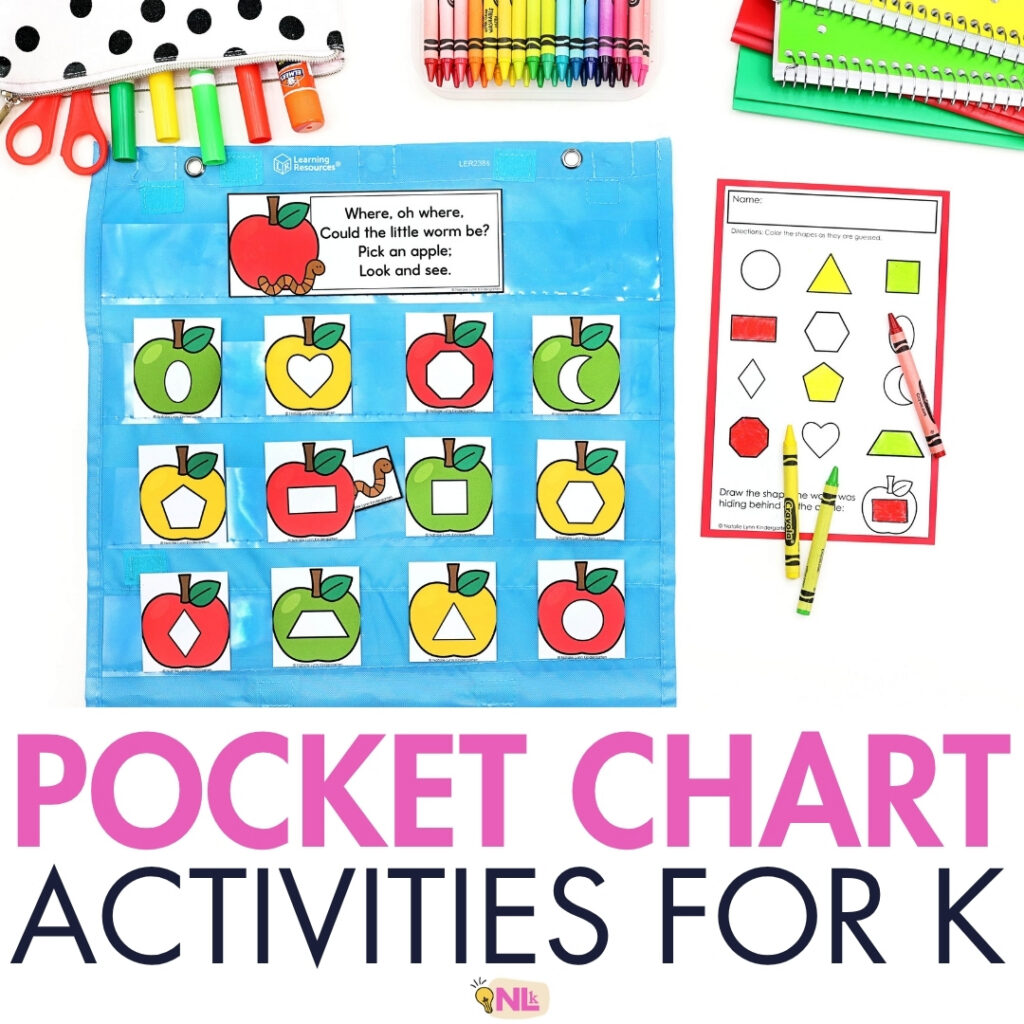
Today’s post features a true Kindergarten classroom staple: pocket charts! It feels like pocket charts may not be used quite as often as they once were, but I still absolutely love them. In a world filled with screens and constant stimulation, I love the simplicity of a classic pocket chart, and the opportunity it gives students to physically interact with their learning. There are also so many pocket chart activities for kindergarten that can easily be incorporated into your classroom routine. Whether you’re using them as whole-group games, during morning meeting, or as part of your literacy and math instruction. Pocket charts are a simple, hands-on way to keep students engaged.
Not only are they simple, but pocket charts are affordable, versatile, and incredibly effective for young learners. So if you have a couple sitting in the back of your classroom cupboard or you’re looking for more simple, hands-on activities to add to your day, this post is for you! In this post, I’m sharing why I love using pocket charts. As well as, with some of my favorite pocket chart activities for kindergarten, and my tips for making them work successfully in your classroom year after year.
Why Pocket Chart Activities Are Perfect for Kindergarten
One of the reasons I love pocket charts so much is their versatility. You can use them for almost every subject area. From literacy and math to classroom routines and seasonal learning.
Pocket charts are perfect for practicing skills like sentence building, rhyming words, syllables, CVC words, letter recognition, counting, sorting, and so much more. They can be used as a whole-class, in small-groups, or independently during centers. It is a classroom tool that can adapt and grow with your students. They are also incredibly easy to switch out. With just a few changes to the cards or pieces, you can create a completely new activity that matches your current learning goals. For Kindergarten students, pocket chart activities really provide the perfect combination of hands-on learning, independence, and engagement.
Benefits of Using Pocket Chart Activities in Kindergarten
There are endless benefits to using pocket charts in your Kindergarten classroom. Here are a few of my favorites.
Encourages Hands-On Learning
Young children definitely learn best when they are actively involved in the process. Pocket charts allow students to physically manipulate cards, move pieces, and interact with concepts in a way that feels meaningful.
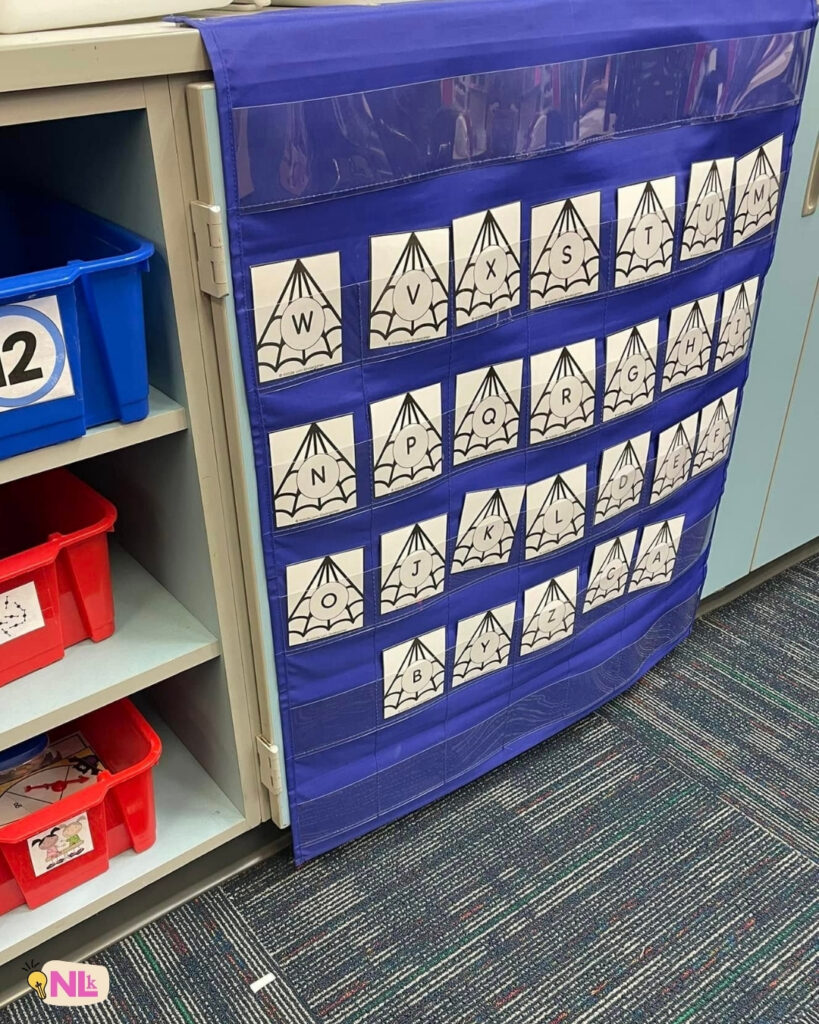
Additionally, while students are practicing academic skills, pocket chart activities also strengthen hand-eye coordination, fine motor skills, and the pincer grasp (which is needed for future writing development.) Ultimately, the simple acts of picking up, sorting, and placing cards helps children make stronger connections with what they are learning.
Adds an Element of Novelty
There is just something exciting about moving cards in a pocket chart! The actions and activities are simple, but students love having a chance to physically interact with the materials. Regardless of whether they’re moving a word card, solving a math problem, or revealing a hidden picture. Pocket charts bring an element of excitement to everyday learning. They also feel a bit special because students likely don’t use them that much. That little bit of novelty can make familiar skills feel fresh and engaging.
Builds Independence
One of the biggest benefits of using pocket chart activities in kindergarten is that they are easy for students to navigate independently. Once you have front loaded your students and they understand the routine, most pocket chart activities require very little teacher support. Simple activities work! This also makes them great for your centers, early finishers, or small-group work. The pocket charts really provide a quick and straight forward way for students to build that independence up.
Builds Collaboration and Social Skills
Pocket charts are also a wonderful way to encourage teamwork. Whether students are participating as a whole class or working in a small group, everyone can have an opportunity to contribute.
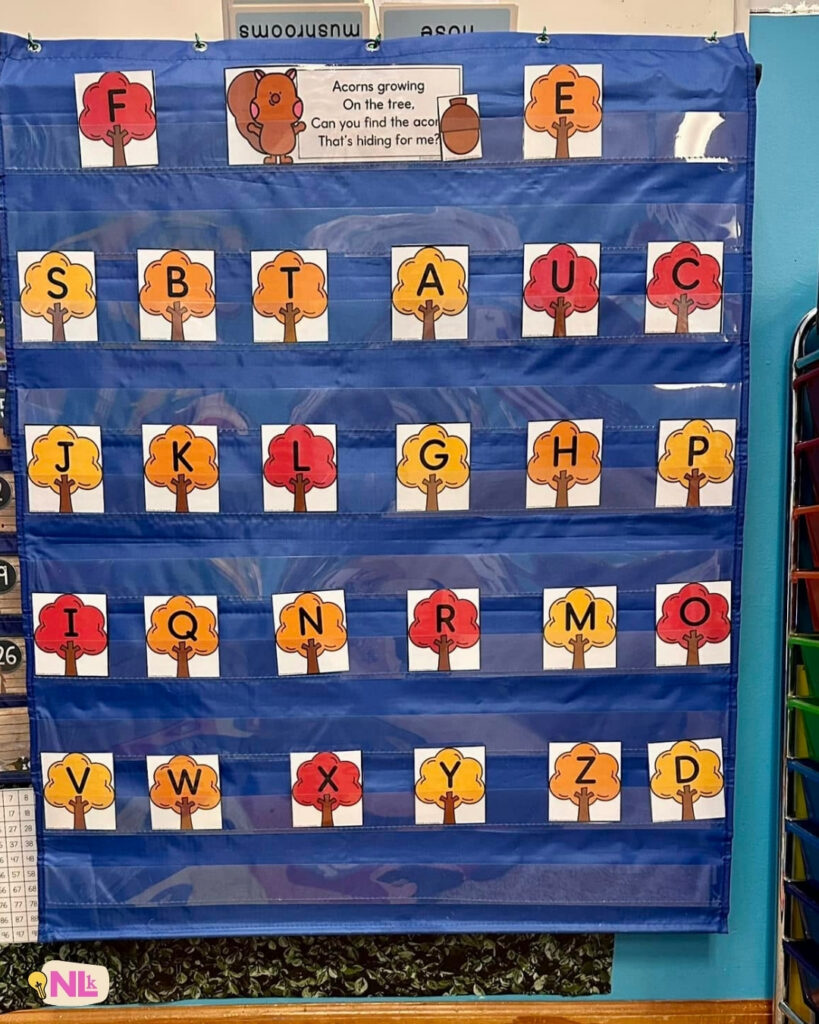
Students can work together to organize cards, solve problems, build sentences, or complete sorting activities while practicing communication and cooperation. The options are endless. It is so neat to see the children work together towards a common goal.
Saves Time with Minimal Prep
Ultimately, teachers are busy! We need things that are easy to set up and don’t require timely prep or customization. One of my favorite things about pocket charts is how practical they are. Once activities are prepared, they can be used again and again. And with the right organization and storage, you can build a collection of pocket chart activities for your kindergarten classroom that lasts for years.
How to Keep Pocket Chart Activities Manageable
Like any classroom resource, organization is the key to making pocket chart activities successful. Pocket charts are one of those classroom resources that can save you time year after year as long as you have a system in place. Here are a few simple tips that have helped me keep my pocket chart activities manageable and easy to use.
#1 Prep Once & Reuse
One of my favorite strategies is to prep once and reuse. Honestly, regardless of what grade you teach, this is probably one of the best time saving strategies. Once you find activities and lessons that work, store them well so that they can be reused in future years! Pocket charts are no different. Laminating the pieces will help them last much longer. Especially when they are being handled by many little hands!
#2 Store and Organize By Month or Skill
Storage is another important piece. Every teacher has their own system that works best for them. I’ve seen teachers use zipper bags, reusable pouches, hanging file folders and plastic bins. Personally, I loved keeping each activity together in a zipper pouch and filing them by month or skill in my filing cabinet. This way they were easy to find when I needed them, and everything was organized and ready to go.
#3 Choose Activities That Are Predictable
Students become more independent when they know what to expect. Using pocket chart activities that follow a familiar format allows children to focus on the learning instead of figuring out new directions every time. Once they understand how an activity works, they’ll be able to complete it with greater confidence and less teacher support.
#4 Establish Center Routines and Procedures
Like any successful center, pocket chart activities work best when expectations are clearly taught. Spend time modeling how to choose cards, take turns, clean up materials, and return everything to its proper place. Children also thrive on routine. So investing a little time at the beginning of the year will make your centers run much more smoothly for the rest of the year.
In my Pocket Chart Centers and Games resources I have structured the activities in similar ways for this exact reason. This way you and your students know what to expect, and your activities will run as smoothly as possible!
Whole Group Pocket Chart Games
Pocket charts are a fantastic whole-class teaching tool. Whether you’re introducing a new concept, reviewing a previously taught skill, or playing a collaborative game. Pocket Charts are a great way to get every student participating. Students love taking turns moving cards, building words, solving math problems, and helping complete activities in front of the class. It’s a simple way to keep lessons interactive while encouraging discussion and teamwork.
As part of all of my Pocket Chart Activity packages I have included 3 games in each package that are perfect for using with a larger group.
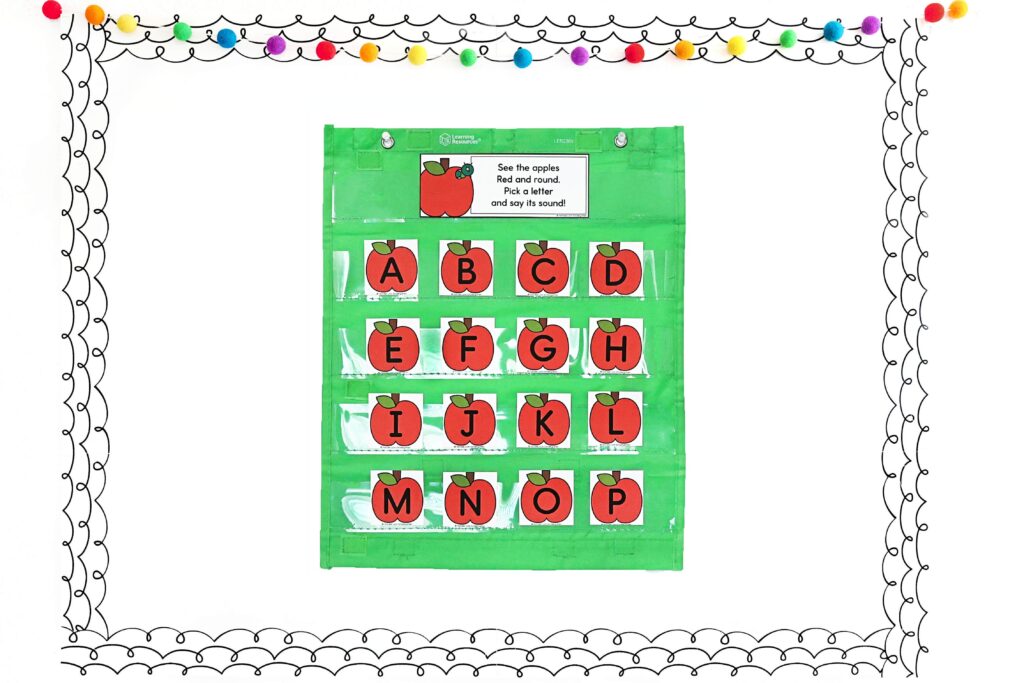
Each game goes with the package theme, and includes the instructions and all materials. Games like Pick A Letter, and Find the Items are so fun and have been adapted to fit each monthly theme.
Pocket Chart Activities for Kindergarten Centers
Pocket charts also make excellent centers! Because the format is familiar, students can often work independently or with a partner after just a little practice. They’re perfect for reinforcing skills like letter recognition, rhyming, CVC words, counting, sorting, patterns, and beginning math concepts while also giving students meaningful hands-on practice.
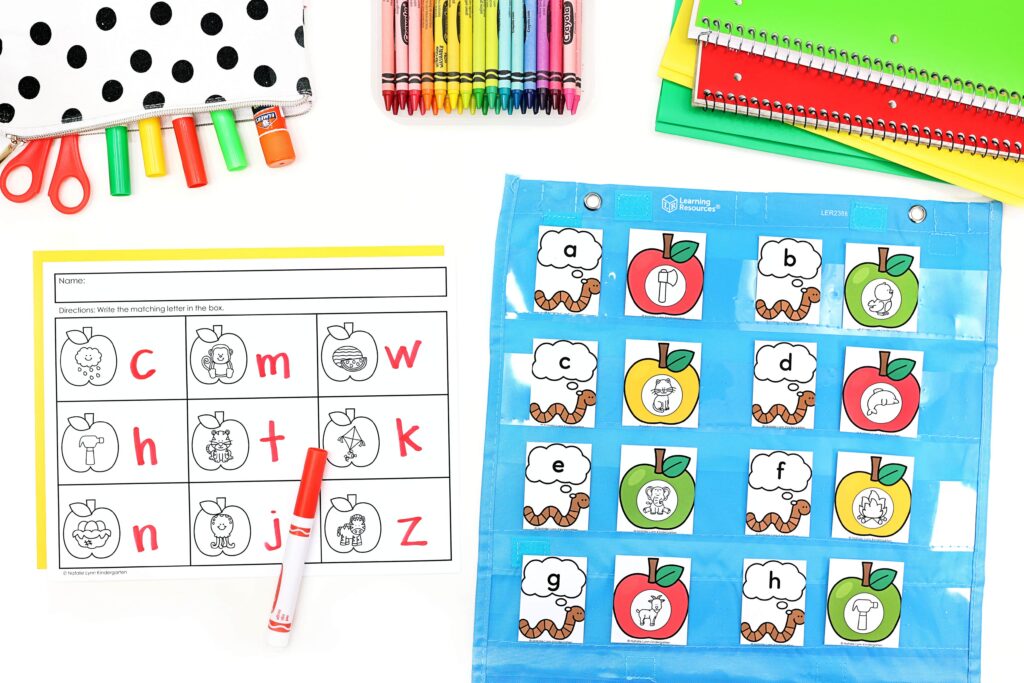
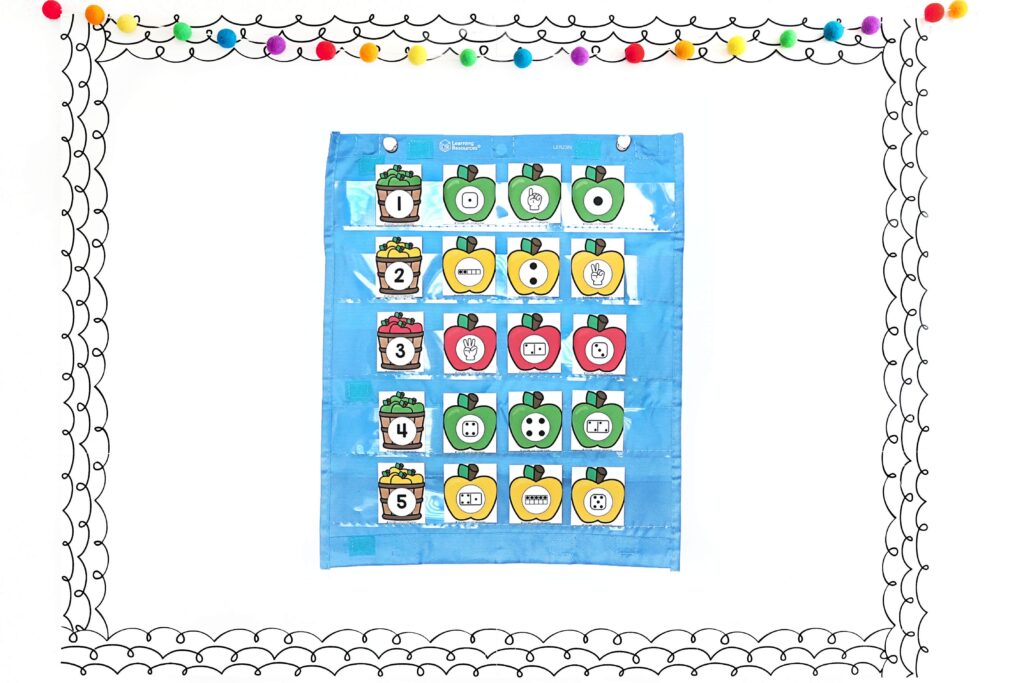
Similar to the games, a lot of my centers follow a similar structure. And it is just the specific activities, skills and content change based on the time of year. I personally love the consistency this provides. Students have confidence in what they are doing because they are used to the activities. This makes my job a lot simpler, and allows them to more easily complete the center activities independently.
If you’re looking for even more ideas and inspiration for running successful centers, you’re in the right place! I’ve written several blog posts filled with tips, organization strategies, and engaging center activities for Kindergarten classrooms.
Click here to explore my other blog posts about centers!
Save Time with Ready-to-Use Pocket Chart Activities
If you love the idea of using pocket charts but don’t want to spend hours creating and organizing activities, I have resources to help!
My Pocket Chart Centers and Games Kindergarten Year Bundle includes hands-on activities designed specifically for Kindergarten and Pre-K learners. Each monthly package includes: 7 pocket chart literacy centers, 7 pocket chart math centers, 1 alphabet letters pocket chart game and 2 hide and seek pocket chart games.
Activities are always catered to what students are typically learning at that time of year. They are simple, flexible tools that you can return to again and again.
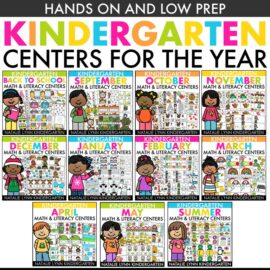
The Pocket Chart bundle currently includes: Back to School, September, October, November, December, January, February, March, April, May, and a bonus Summer Mini Pack.
The bundle includes organized PDF files for each month, with a table of contents to help you quickly find the activity you need. Activities are available in both color and black-and-white versions, and many include student worksheets to go with each activity. Since the activities change monthly, they continue to feel fresh and developmentally appropriate as students grow.
Click here to explore the Pocket Chart Centers and Games Bundle on Teachers Pay Teachers.
Pocket Chart Centers and Games for your Entire Year
In classrooms filled with new technology and endless learning tools, sometimes the simplest resources create the biggest impact. Pocket charts give young learners the opportunity to actively participate in their learning. Pocket chart activities for kindergarten provide a hands-on way to build skills while keeping students engaged.
I hope this post has inspired you to pull out that pocket chart from the back of your cupboard and give it another chance! And if you want some ready-made pocket chart activities to add to your resources, please check out my bundle! Each month can also be purchased separately. With the right activities and routines in place, this classic classroom tool can become one of your favorite resources year after year.