A couple years ago, my husband and I did something extremely nerdy: we took up birdwatching. 🐦
I bought special binoculars. A bird book. I downloaded the Merlin app (still the coolest thing ever). We even ordered waders so we could trek into the marshes without collecting a single tick.
To be honest, I got a little obsessed. Turns out real, true facts about the world are weirdly addictive.
And every time I flip through that bird book, I think about students. Because that “Wait, tell me more!” feeling is exactly what nonfiction decodable readers tap into for our beginning readers.
For years, decodable text got a reputation for being a little… dry. (You’ve read “Sam sat. Sam is a cat.” one too many times, haven’t you?) Nonfiction decodables flip the script. They give kids controlled, phonics-based text AND something they genuinely want to read about.
Let me show you why they’ve become one of my favorite tools for building strong readers.
What Are Nonfiction Decodable Readers?
Nonfiction decodable readers are exactly what they sound like: decodable nonfiction books built around true, informational topics instead of made-up stories.
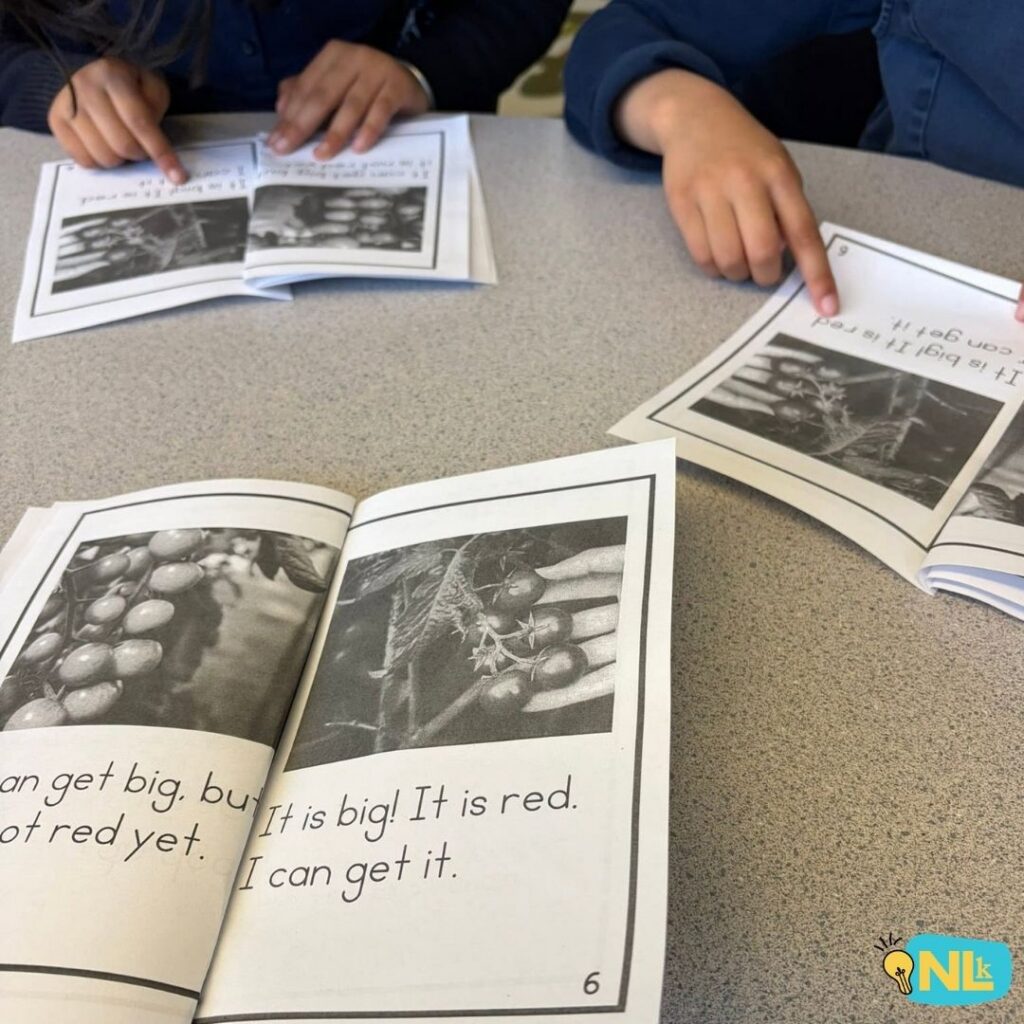
Like all decodable readers, the text is carefully controlled. Kids can actually sound out the words using the phonics skills they’ve been taught — CVC words, letter sounds, consonant blends, and the handful of high-frequency words they’ve practiced instead of guessing from pictures or memorizing predictable texts.
The difference is the content. Instead of a fictional character having a fictional day, your students read about real animals, weather, space, and how the world works. Same decodable structure. Way more “Whoa, I didn’t know that!‘
How Nonfiction Decodable Readers Support the Science of Reading
If you’ve been navigating the Science of Reading shift, you already know the Simple View of Reading: skilled reading = decoding × language comprehension. Both halves have to be there.
Decodable text is fantastic for the decoding half. But nonfiction readers quietly strengthen the OTHER half, too: language comprehension) because they build vocabulary and background knowledge while kids practice their phonics.
That’s the magic. Your students get explicit, systematic decoding practice AND they’re absorbing knowledge about science, social studies, and the world around them.
The 5 Benefits of Nonfiction Decodable Readers
Okay, so why do I reach for nonfiction readers again and again? A few reasons.
1. They Increase Student Engagement
Kids are naturally curious little learners. When you hand a beginning reader a book about lunar eclipses or flash floods or how a spider spins its web, something clicks — they WANT to know what the next page says.
That curiosity does something powerful: it builds reading confidence. A kid who’s excited about the topic pushes through the hard words instead of shutting down.
2. They Build Background Knowledge
Reading comprehension isn’t just a skill you drill — it grows out of what kids already know. The more background knowledge a child has, the more they understand when they read.
Nonfiction decodable readers are basically background-knowledge delivery machines. Every title adds a little more to a child’s mental picture of the world.
3. They Connect Learning Across Subjects
This is the sneaky genius part. A nonfiction decodable about the water cycle isn’t just reading practice, it’s science. One about community helpers? Social studies. One about shapes or patterns? Hello, math topics.
Instead of cramming reading and content into separate boxes, these readers let them overlap. That’s a gift when you’re staring down a schedule with zero extra minutes.
4. They Reinforce Phonics Skills in Meaningful Contexts
Isolated phonics practice has its place, but kids need to apply those skills in real reading. Nonfiction decodables target specific patterns (like r-controlled vowels, vowel teams, consonant blends) inside text kids actually care about.
When a child reads target phonics skill words in a book about sharks instead of on a random word list, the practice sticks. It means something.
5. They Improve Reading Comprehension
Because kids are engaged and building knowledge, comprehension comes along for the ride. The best nonfiction readers also include comprehension questions that push kids to think, not just decode. You’re strengthening comprehension skills and decoding at the same time. You’re building decoders AND thinkers.
What to Look For in Nonfiction Decodable Readers
Not all “decodable” books are created equal. Here’s what I check before adding a set to my classroom.
Controlled, Decodable Text
This is non-negotiable. The text needs to match a phonics scope and sequence so kids are decoding, not guessing. If a “decodable” is stuffed with words your students haven’t been taught yet, it’s not doing its job.
High-Interest Topics
The whole point is engagement, so the topics should make young readers lean in. Animals, weather, space, real kids doing real things. These are subjects that spark that “tell me more” energy.
Built-In Comprehension Support
Look for readers that include comprehension questions or a simple writing prompt. Some sets even come with explicit lesson plans, which turns a two-minute read into a real thinking-and-talking opportunity.
Engaging Visuals
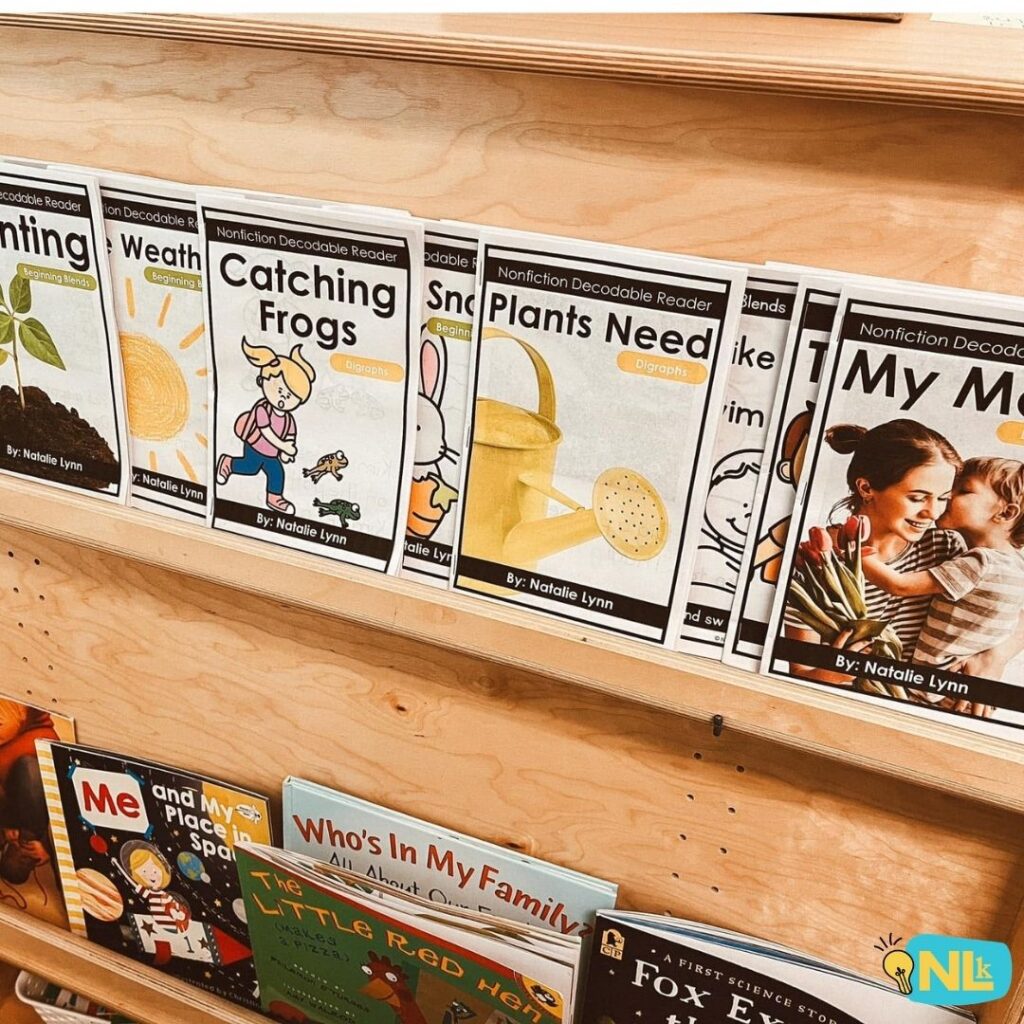
For nonfiction especially, real color photographs (or gorgeous, accurate illustrations) matter. They add meaning, support comprehension, and honestly? They make kids want to pick the book up in the first place.
How I Use Nonfiction Decodable Readers in My Classroom
Here’s where the rubber meets the road. These readers are wildly flexible, but here are my three favorite ways to use them.
In Small Groups
Small group time is where these shine for me. I match the exact phonics skill a group is working on to a reader on that skill, then we read, discuss, and dig into comprehension together.
In Literacy Centers
Once we’ve read a title together, it goes into centers for independent practice. Kids reread familiar nonfiction to build fluency skills — and because they already love the topic, they actually want to. Some sets even include audio recordings kids can listen along to.
As a Follow-Up to Our Science Lessons
This is my favorite. After a science lesson, I hand out a differentiated nonfiction decodable on the same topic. The whole class explores the same idea, but every kid reads at their own reading level.
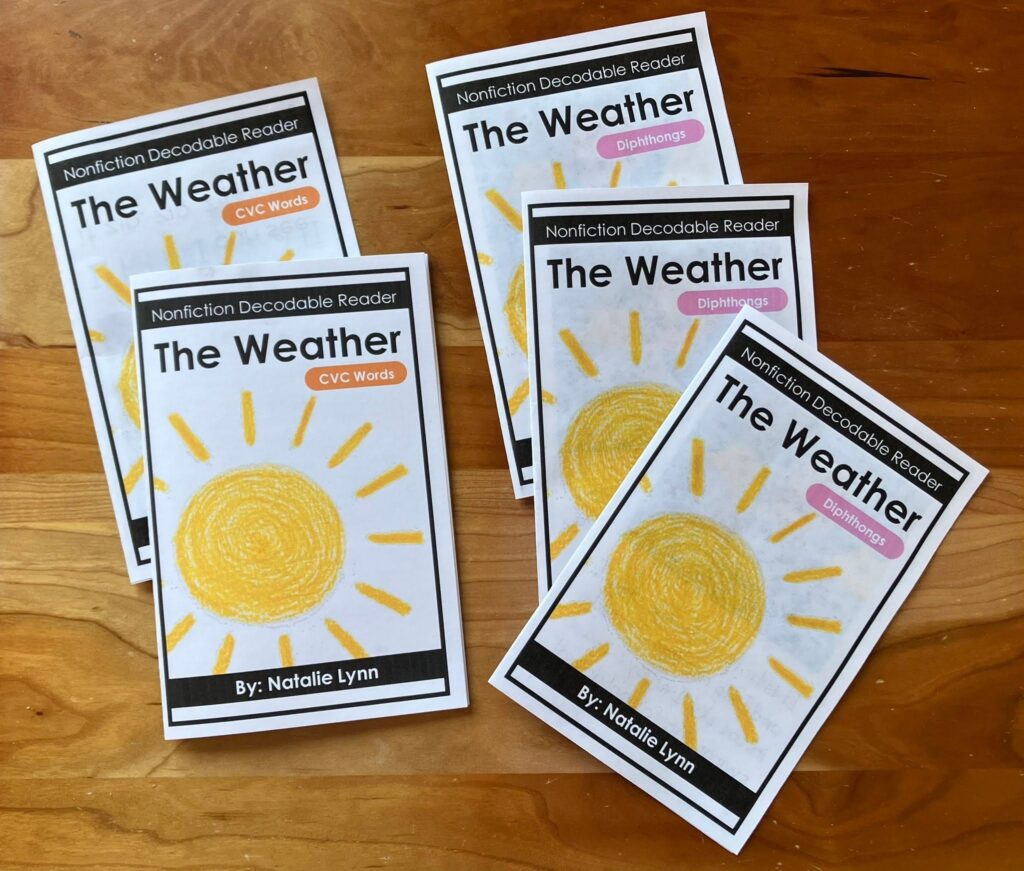
It’s a lifesaver for differentiation — including for my students in special education or anyone who needs a little more support. First grade, second grade, wherever they’re at, everyone’s reading real content about what we just learned.
Ready to try nonfiction decodables without spending your whole weekend hunting them down? I pulled all of mine into one place.
👉 GET THE NONFICTION DECODABLE READERS BUNDLE
Why Teachers Love Nonfiction Decodable Readers
I hear the same thing over and over from teachers who try these: their kids ask to read them.
That’s the dream, right? A resource that reinforces phonics, builds background knowledge, and turns your most hesitant beginning readers into confident, curious ones — all while checking your Science of Reading boxes.
Watching a struggling reader light up because they just learned a real fact from a book THEY read? There’s nothing like it. That’s how you build strong readers who don’t just decode words — they love doing it.
If your decodable shelf could use a little more whoa, tell me more, give nonfiction decodables a try. I think you’ll be amazed at how fast your most hesitant readers turn into your most eager ones.
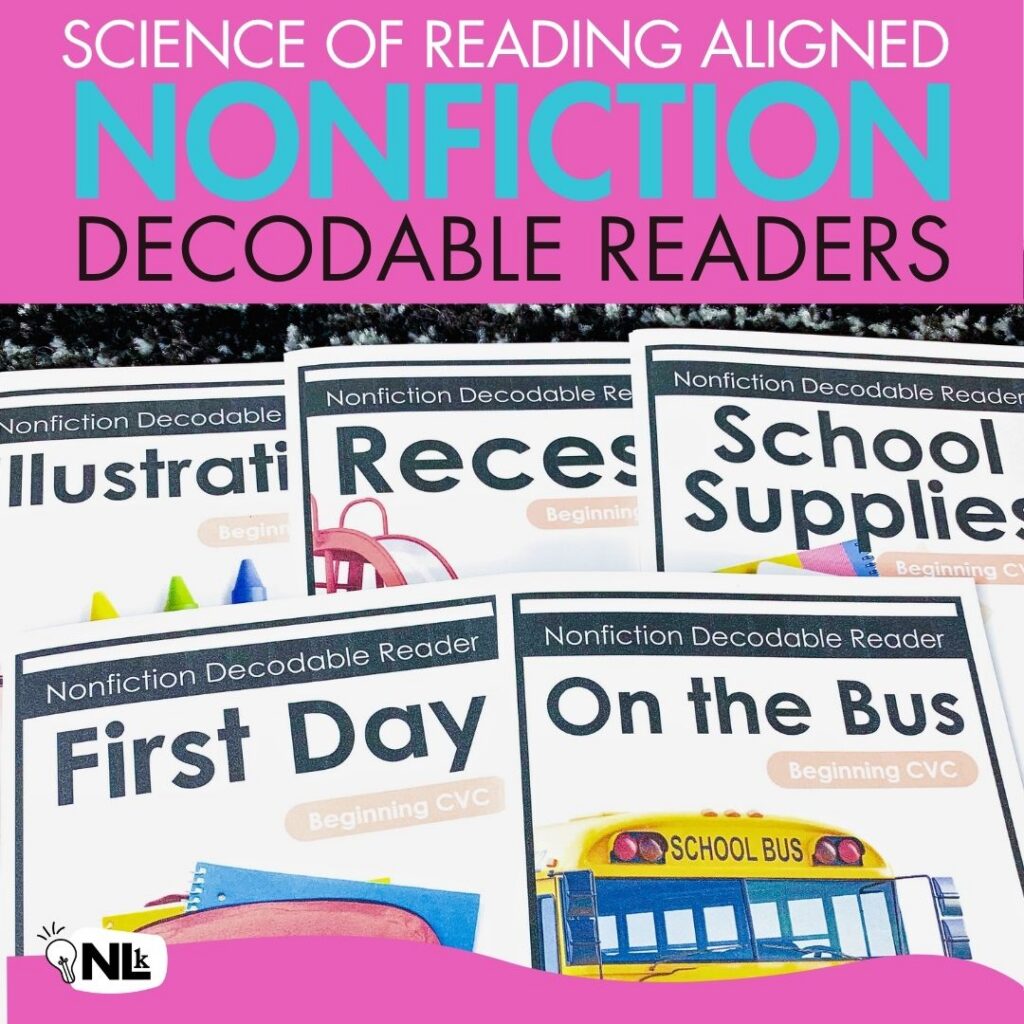
👉 SHOP THE NONFICTION DECODABLE READERS BUNDLE
TEACHER TIP: If you’re new to decodables in general, start with one skill your small groups are working on right now, grab a nonfiction reader that matches, and watch what happens. Sometimes the smallest switch makes the biggest difference!